

Budget planning gives users a stable framework for controlling daily expenses and building stronger long-term financial habits across different income levels. Effective planning allows individuals to create clear spending boundaries and make decisions that support future goals instead of reacting emotionally to short-term desires. These methods are widely used by responsible users on SS777, who rely on structured routines to maintain consistency every month.
Understanding The Core Purpose Of Budget Planning
A clear financial structure starts with understanding the purpose behind planning and the benefits it delivers. These ideas form the base of every successful strategy.
Defining The Function Of A Budget

It helps users manage resources with clarity and confidence. This method reduces confusion and supports responsible decision-making. Strong planning encourages control. It helps people avoid accidental overspending.
Identifying Hidden Spending Patterns
Many individuals do not realize how fast small expenses accumulate daily. Careful tracking reveals these unnoticed patterns that influence financial outcomes. Awareness encourages smarter adjustments and prevents long-term waste. Thoughtful budget planning depends on honest observation. Awareness builds stronger discipline.
Setting Realistic Money Goals
Clear financial goals guide spending decisions and provide direction. Realistic objectives help individuals stay consistent without feeling pressured. These goals should include short-term and long-term targets. Well-structured planning requires achievable milestones. Motivated users progress more sustainably.
Choosing A Budget Planning Method That Fits Your Lifestyle
Method selection influences the effectiveness of every financial routine. Two short sentences introduce the next section. A suitable method increases long-term success.
Applying Zero-Based Planning
Zero-based planning gives every income unit a defined purpose. This method removes uncertainty and builds strong structure. It benefits individuals who prefer detailed control. Zero-based systems prevent excess spending. This approach works well for strict budget planning.
Using The 50/30/20 Distribution
The 50/30/20 method divides income into needs, wants, and savings. Its flexibility makes it suitable for many lifestyles. Users can adjust categories when necessary. This system works well for moderate budget planning. It supports balance and simplicity.
Using Envelope-Based Allocations
Envelope planning assigns spending categories into visible groups. Users stop spending when an envelope becomes empty. This technique prevents impulsive decisions and strengthens discipline. Envelope systems work well for hands-on users. Many structures blend well with planning tools.
Tools And Systems That Support Strong Budget Planning
Modern financial tools simplify tracking and improve clarity. Two short sentences introduce the next section. Technology helps users maintain consistency.
Expense Tracking Applications
Expense tracking apps categorize spending automatically. They reduce manual work and improve daily awareness. These tools often reveal patterns that users miss. Many individuals rely on consistent updates. Apps strengthen long-term planning success.
Using Spreadsheets Effectively
Spreadsheets allow full customization and detailed analysis. Users can build templates that match personal goals. Manual systems increase awareness and responsibility. They also help users understand spending behavior. Spreadsheets work well for structured budget planning.
Automated Savings Features
Automation encourages consistent progress toward savings goals. Systems transfer money before users spend it. This reduces temptation and maintains discipline. Automation supports predictable monthly routines. It strengthens overall planning results.
Building Strong Monthly Habits For Better Stability
Monthly habits shape long-term financial outcomes. Two simple sentences shift into actionable strategies. Consistent structure ensures smoother progress.
Separating Fixed And Variable Costs
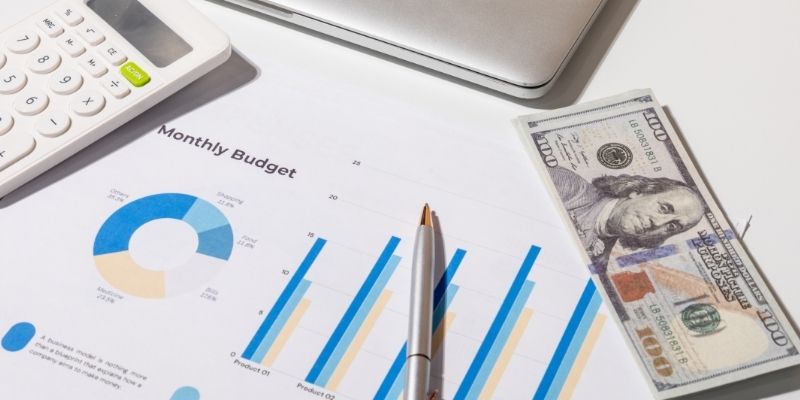
Identifying these categories improves financial forecasting. Users can adjust plans more accurately. This separation helps reduce stress. It supports clearer budget planning decisions.
Reducing Unnecessary Purchases
Unnecessary purchases often weaken financial plans. Identifying wasteful habits improves long-term results. Small reductions create meaningful savings over time. Consistent changes build discipline. This strengthens overall budget planning efficiency.
Strengthening Buying Decisions
Smart decisions involve comparing options and evaluating true needs. Careful choices help users avoid emotional spending. Strong habits reduce losses and protect income. Intentional purchasing creates stability. Better decisions support responsible planning.
Integrating Budget Planning Into Daily Routines
Daily routines help budgeting become natural and sustainable. Two sentences introduce the ideas. Small habits strengthen larger structures.
Practicing Daily Spending Awareness
Daily awareness helps users track small habits with clarity. This practice requires only a few minutes. Frequent review prevents long-term mistakes. Daily attention supports stronger routines. It reinforces consistent budget planning.
Setting Weekly Review Sessions
Weekly reviews help users adjust plans before issues grow. These checkpoints allow people to correct unnecessary spending patterns. Weekly reflections reduce stress and increase accuracy. They support balanced financial control. These sessions encourage stable planning.
Measuring Progress Monthly
Monthly reviews highlight meaningful progress and reveal key improvements. Users can prepare new strategies with better clarity. Many individuals on SS777 use monthly evaluations to maintain direction. Reviews strengthen long-term discipline. They improve overall budget planning habits.
Achieving Long-Term Security Through Planning Discipline
Long-term financial safety depends on consistent structure. Two brief sentences lead into deeper strategies. Strong foundations protect future goals.
Saving For Unexpected Situations
Emergency funds protect users from unpredictable challenges. These funds reduce stress and prevent debt. Small contributions accumulate steadily over time. Consistent saving builds meaningful security. Emergency resources support strong planning.
Exploring Long-Term Investment Options
Investments help individuals turn stable savings into long-term growth. Users should explore safe and diversified choices. Even small contributions create meaningful results. Investments require patience and consistent attention. They enhance smart budget planning.
Strengthening Personal Financial Knowledge
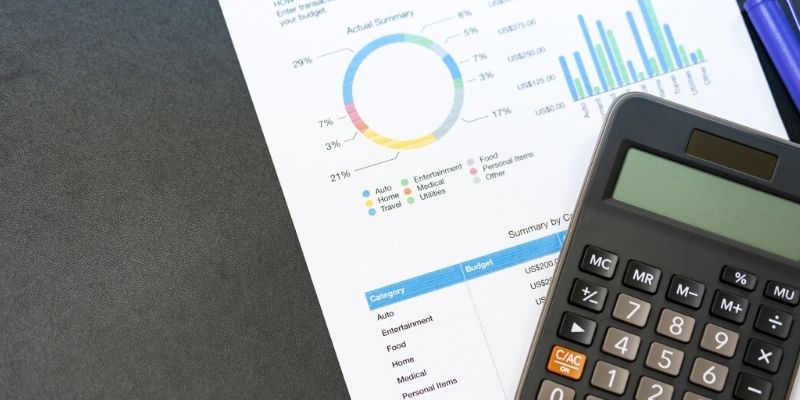
Users learn from spending patterns and market behavior. Many individuals on SS777 study financial habits to improve results. Awareness encourages careful decision-making. Good knowledge supports stronger planning.
Applying Priority-Based Thinking in Effective Budget Planning
It demands a clear priority-based mindset that helps managers navigate limited resources while still aiming for long-term goals.
Identifying the most essential cost categories
When organizations begin the Budget planning process, the first critical step is identifying which cost categories directly influence their long-term strategic direction. This approach minimizes the tendency to overspend on non-essential items while ensuring that core operations receive proper financial support.
It also helps teams communicate more clearly because everyone understands which cost centers carry the highest priority. By establishing these essential categories early, the entire planning structure becomes more predictable and significantly more manageable during future financial cycles.
Optimizing high-value investments
High-value investments require careful consideration because they often influence a company’s financial health for several years. During Budget planning, leaders must evaluate each investment’s return potential, long-term stability, and compatibility with broader organizational objectives.
When these investments are prioritized appropriately, companies reduce unnecessary financial risks and secure more reliable growth pathways. This mindset ensures that money is directed toward initiatives that produce measurable benefits rather than short-lived results.
Maintaining flexibility for changing financial conditions
Financial environments can shift quickly, so maintaining flexibility has become an essential component of modern Budget planning. Companies that build adaptable structures into their budgeting system can respond faster to unexpected challenges without compromising their stability.
Flexibility allows teams to re-evaluate priorities and adjust spending before small issues escalate into costly setbacks. This proactive approach contributes to a more secure, balanced, and forward-thinking financial roadmap.
Conclusion
Budget planning remains a powerful tool that helps individuals develop structured spending habits and long-term financial stability across any income level. With clear goals, strong routines, and supportive tools, users can transform daily choices into sustainable progress. Many individuals on SS777 rely on these principles to protect their finances and strengthen future opportunities.





